
Udyogini Logo
UDYOGINI
Where We Work
Since 2011

Uttarakhand

Reviving Himalayan livelihoods through medicinal and aromatic plants and sustainable mountain enterprises

The Context

Uttarakhand is a Himalayan state known for mountains, forests, glaciers, river systems, and diverse climatic zones from subtropical foothills to alpine regions.

Udyogini works in Chamoli district to conserve medicinal and aromatic plants while creating climate-resilient livelihood opportunities for women farmers, collectors, SHGs, producer groups, and local enterprises.

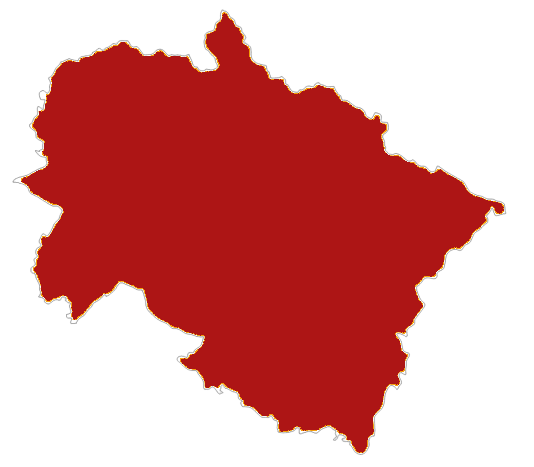
Uttarakhand map
2011

Active Since

1

Districts

6

Blocks

MAPs

Focus

On the Ground

Where We Work in Uttarakhand

Chamoli

Chamoli

A Garhwal district surrounded by high Himalayan ranges, rivers, forests, alpine meadows, pilgrimage routes, rain-fed terrace farms, landslides, flash floods, and harsh winters.

Blocks

Dewal

A hilly block in Chamoli with scattered settlements, agriculture, animal husbandry, seasonal migration, and rich forest resources shaping local livelihoods.

Nandanagar Ghat

A steep mountain and river-valley landscape where terraced farming, livestock, and forest-based resources support remote villages.

Dasoli

A mix of accessible and remote mountain villages near the district headquarters, with agriculture, horticulture, tourism, and monsoon hazard exposure.

Tharali

A Pindar River valley block where traditional crops, vegetables, fruit orchards, livestock, and small businesses support household income.

Joshimath

A strategically important Himalayan block and gateway to pilgrimage and trekking routes, with sensitive ecology and cold-weather challenges.

Narayanbagar

A rural mountainous block where terrace farming, livestock rearing, forest resources, and difficult connectivity shape development priorities.

Current Products & Enterprises

A Diversified Basket

Medicinal and aromatic plants
Short-duration aromatic crops
Herbal gardens
Polyhouse cultivation
Women-led processing
Herbal value addition
Our Approach

Areas of Focus

1

Biodiversity Conservation

Mobilisation, farmer registration, sustainable harvesting, cultivation, propagation, and conservation of endangered medicinal and aromatic plant species.

2

Climate-Resilient Livelihoods

Promotion of MAP cultivation on private and fallow land, water harvesting structures, crop fencing, and integrated pest management.

3

Enterprise and Market Linkages

Buyer-seller meets, processing support, and value addition opportunities for women-led MAP enterprises.

Programme Detail

Current Interventions

Medicinal and Aromatic Plants

Chamoli district across six development blocks

Training and support for sustainable harvesting, cultivation, propagation, climate-resilient production, water harvesting, herbal gardens, polyhouses, and market linkages.

  • 3,500+ farmers cultivating endangered medicinal plant species
  • 2,000+ farmers cultivating short-duration aromatic plants
  • 1,500 farmers trained in sustainable cultivation and harvesting
  • 20 polyhouses, five herbal gardens, and six Bugyal conservation sites established
The Difference

Our Impact

3,500+

Farmers cultivating endangered MAP species

2,000+

Farmers cultivating aromatic plants

1,500

Farmers trained

15+

Acres protected through crop fencing

The MAP programme combines biodiversity conservation, household income, climate resilience, and market access through cultivation, processing, and conservation infrastructure.